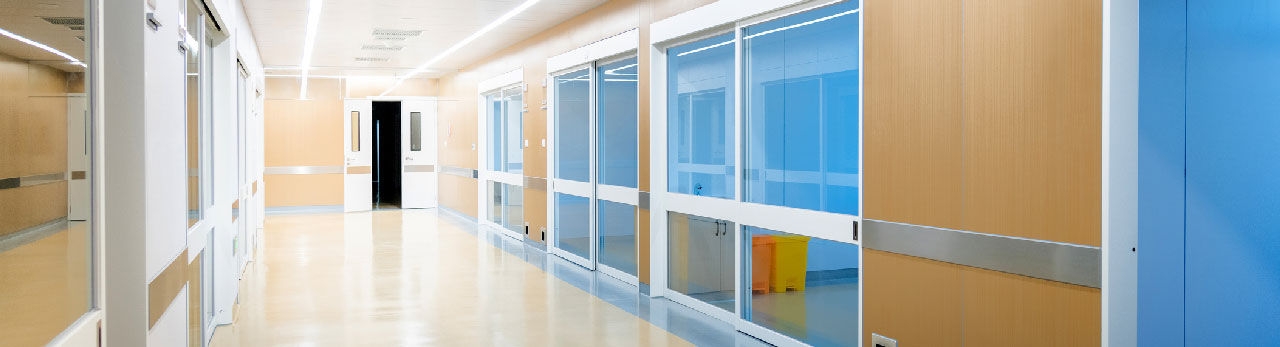
When specifying door hardware for infectious control areas in hospitals, such as surgical rooms and ICUs, it is essential to prioritize quiet operation to maintain a calm environment. Doors should support maintaining differential air pressure to prevent the exchange of air, dust, and bacteria between interior and exterior spaces. Hardware with effective sealing mechanisms is critical for enhanced infection control, while durable, corrosion-resistant, and easy-to-clean materials ensure hygiene standards are met. Additionally, all hardware must comply with healthcare regulations and infection control protocols.
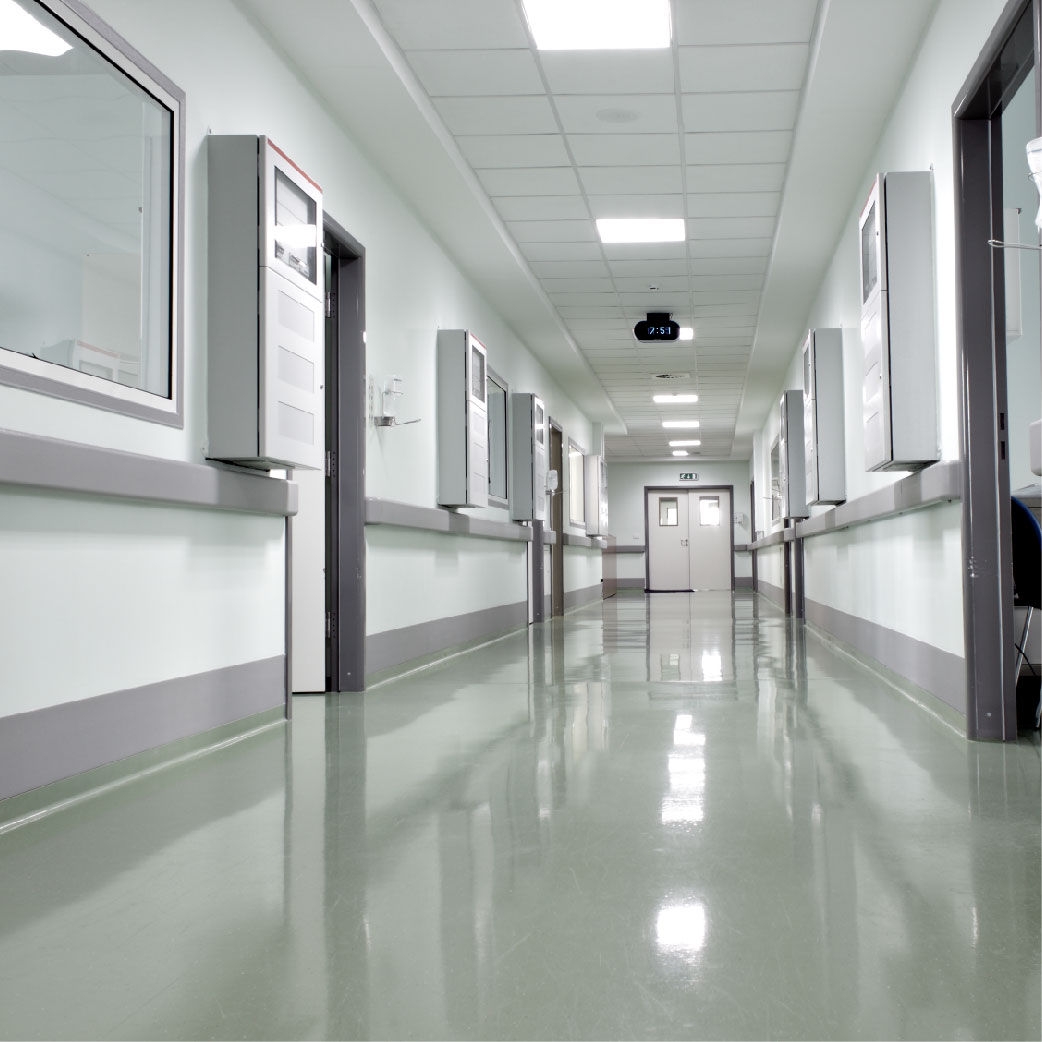

It is crucial to prioritize access solutions with quiet operation, especially in environments where maintaining a calm atmosphere is essential, such as surgical rooms and intensive care units (ICUs). In these settings, both patients and medical professionals rely on a tranquil environment to ensure effective care, focus, and recovery.

Implement access solutions designed to maintain differential air pressure between interior and exterior spaces, a crucial factor in aiding infection control, particularly in sensitive areas such as ICUs and controlled environments. Enhance these efforts with high-quality sealing mechanisms that effectively prevent contaminants from entering these spaces, ensuring a higher standard of infection control.

Ensure full compliance with healthcare regulations, local building codes, industry standards, and infection control protocols to guarantee safety, efficiency, and adherence to best practices in healthcare environments.

With 40+ brands sold in over 120 countries across the globe, we specialise in doorway and access security.